What Is an Impressionist Pet Portrait? A Style Guide for Pet Lovers
Published: 4/7/2026
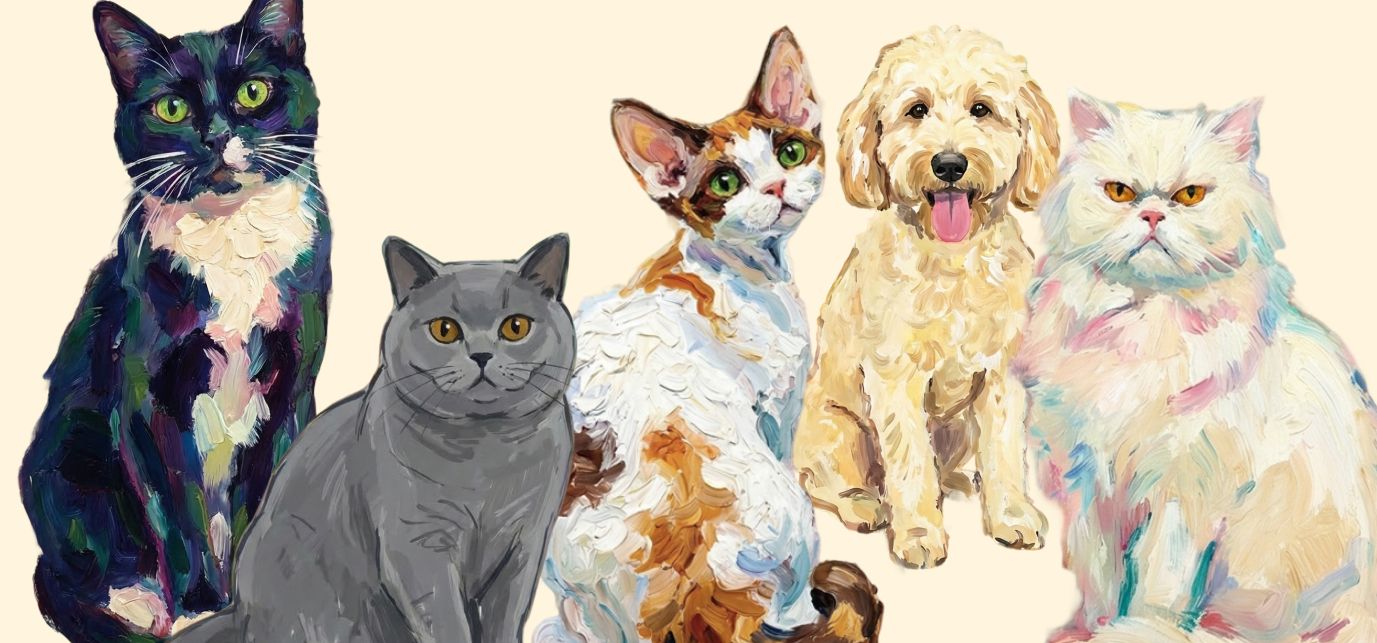
Impressionist pet art transforms a favorite photo of your pet into artwork inspired by the color, atmosphere, and expressive brushwork of Impressionism.
Rather than recreating every whisker or strand of fur with photographic precision, an impressionist pet portrait focuses on something less literal: the warmth of a coat in afternoon light, the weight of a sleeping cat, the energy of a dog mid-turn, or simply the familiar way your pet occupies a room.
At Pet Art, we take that idea one step further. Your pet isn’t placed against a plain background and treated as the entire image. Instead, they become part of a larger art-inspired scene, surrounded by color, furniture, plants, light, and atmosphere.
The result sits somewhere between pet portrait and artwork: recognizable as your pet, but designed as a piece of art you’d genuinely want to live with.
What's in this guide:
- What is Impressionism and why it still feels so alive
- What makes a pet portrait impressionist
- Why the scene matters
- Choosing an art style for your pet
- From pet photo to finished artwork
- From digital artwork to textured canvas
- Displaying pet artwork at home
-
Where Impressionism Came From and Why It Still Moves Us
In 1874, a group of artists in Paris did something radical. Tired of being rejected by the official Salon, which favored polished, historically grand paintings, they held their own exhibition. Among them: Claude Monet, Pierre-Auguste Renoir, Berthe Morisot, Camille Pissarro.
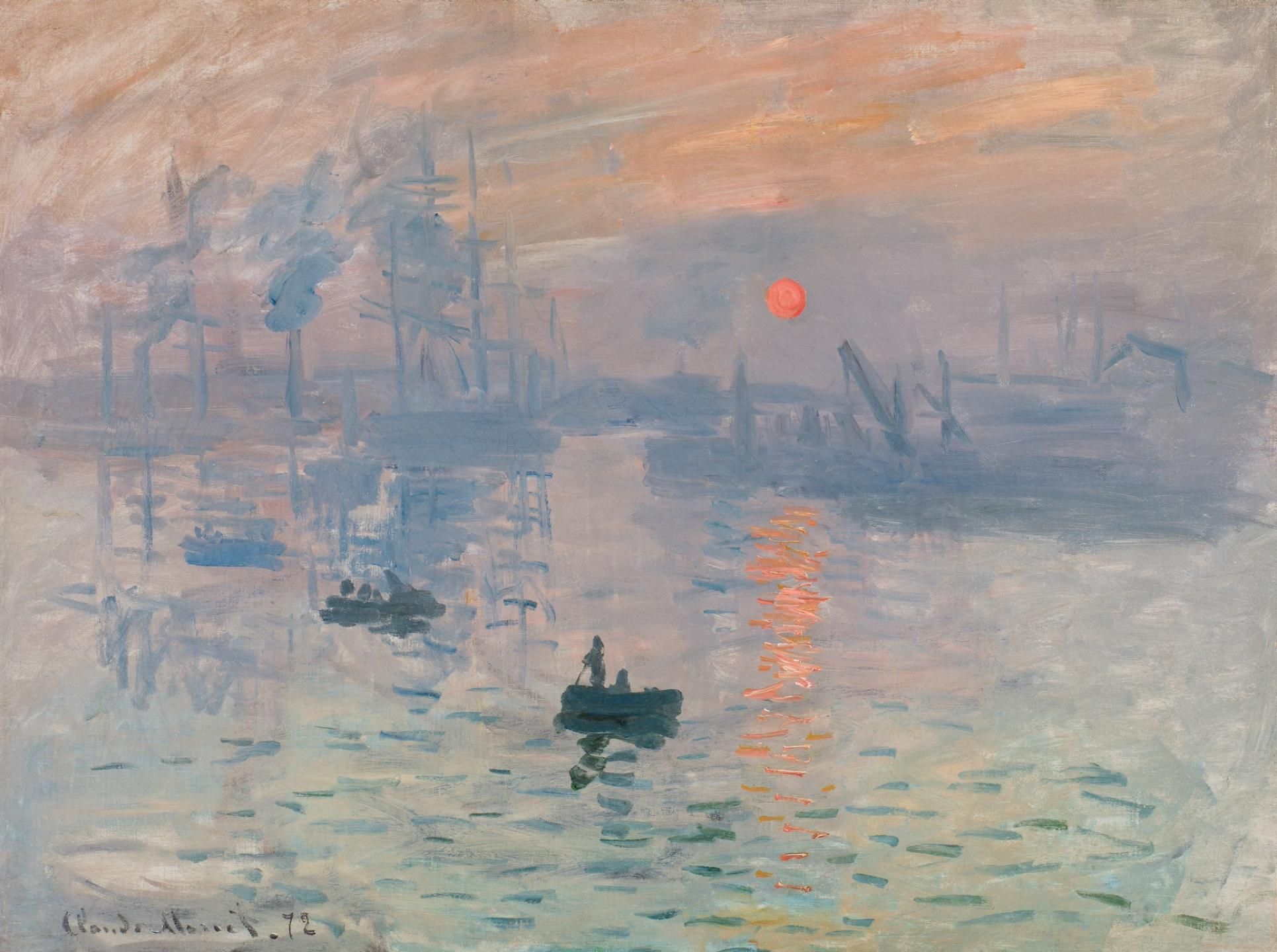
The name Impressionism wasn’t originally a compliment. Critic Louis Leroy used it mockingly after seeing Monet’s Impression, Sunrise, dismissing the painting as little more than an unfinished impression. The artists embraced the name anyway.
To understand why, it helps to see the difference side by side.
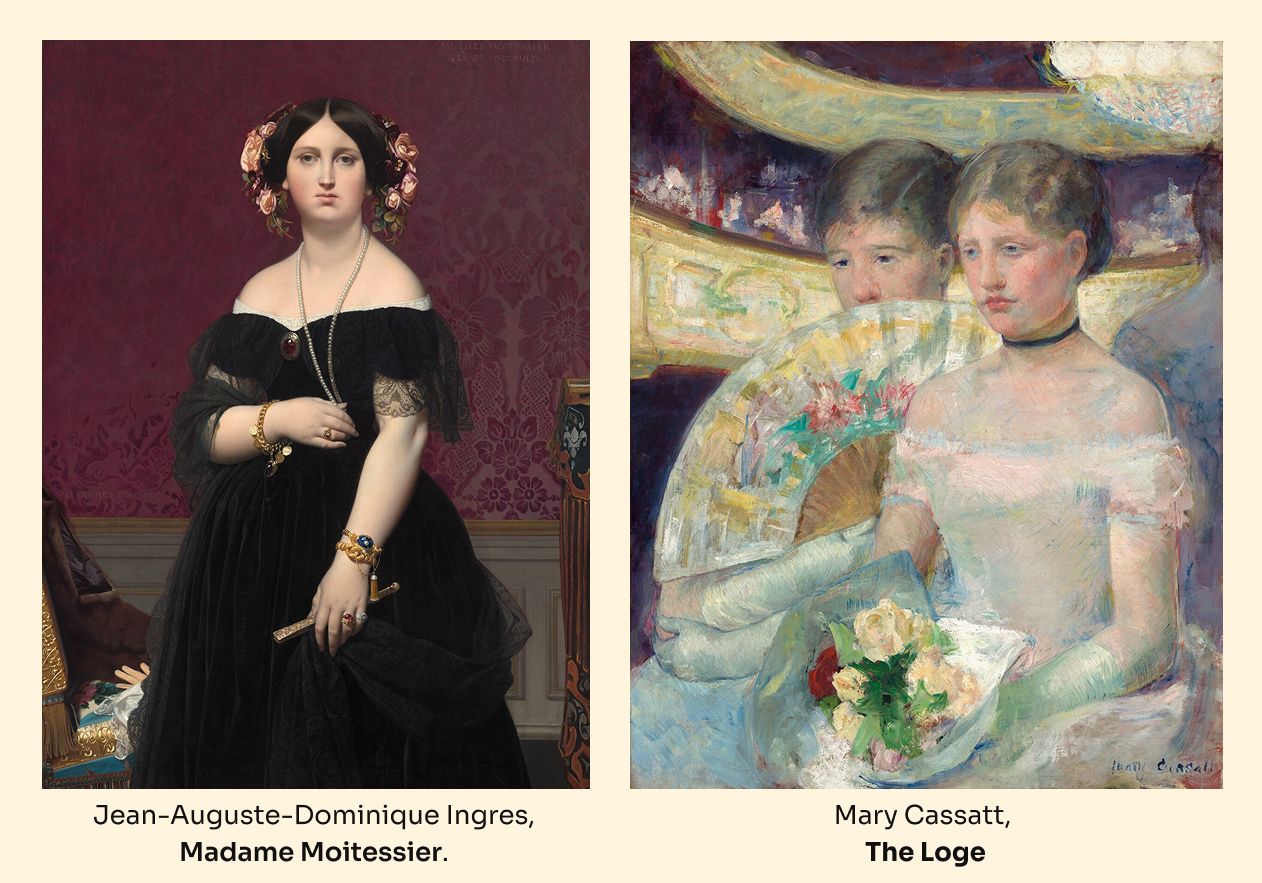
Jean-Auguste-Dominique Ingres painted Madame Moitessier with extraordinary precision. Her hair is immaculate. The fabric, jewelry, lace, and surfaces are rendered with almost jewel-like clarity. It is polished, posed, and permanent.
Mary Cassatt made a different choice.
In works such as The Loge, faces and clothing dissolve into visible strokes of blue, yellow, pink, purple, and red. One figure partially disappears behind a fan. The paint doesn’t try to hide itself.
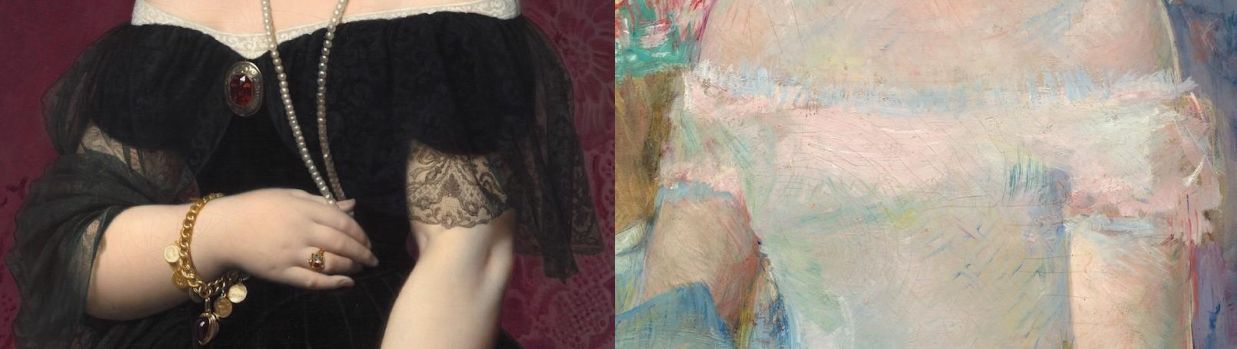
The Impressionists were less interested in creating a flawless record of reality than in capturing the experience of a moment: changing light, movement, warmth, atmosphere, and the strange aliveness of ordinary life.
More than a century later, those paintings still feel alive. Not because they captured what things looked like, but because they captured how things felt. Around the same time, pets were also beginning to take on a different role in art, gradually moving from symbolic details to subjects with personalities and stories of their own.
-
What Makes a Pet Portrait Impressionist?
When most people think “custom pet portrait,” they picture something photorealistic: every whisker rendered, every fur pattern precise. That’s one way to capture a pet.
Impressionist style asks a slightly different question. Not only what does my pet look like? but what does my pet feel like? Recognition still matters, but accuracy isn’t the only goal.
Impressionist pet art uses several visual ideas associated with Impressionism:
Visible, expressive brushwork
Instead of rendering fur hair by hair, brushstrokes can suggest its softness, direction, movement, and weight.
Up close, you see paint and texture. From farther away, those marks come together as fur, light, and form.
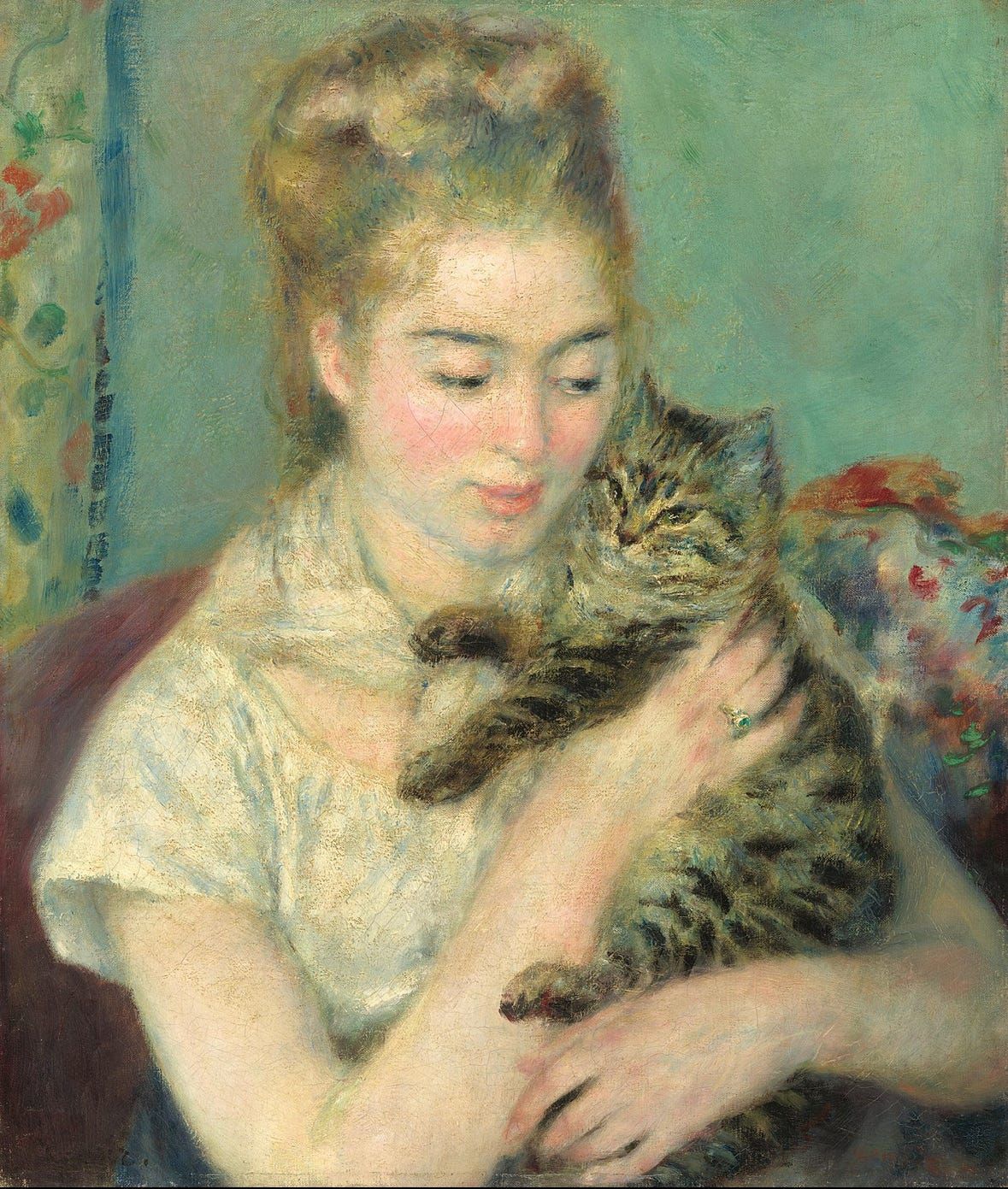
Color beyond literal reality
A cream-colored dog doesn’t have to be painted exclusively in beige and white.
Its coat might pick up lavender from a shadow, gold from afternoon light, green reflected from surrounding plants, or cool blue from a nearby wall.
The colors don’t have to be literally present in the photograph to make the finished artwork feel believable.
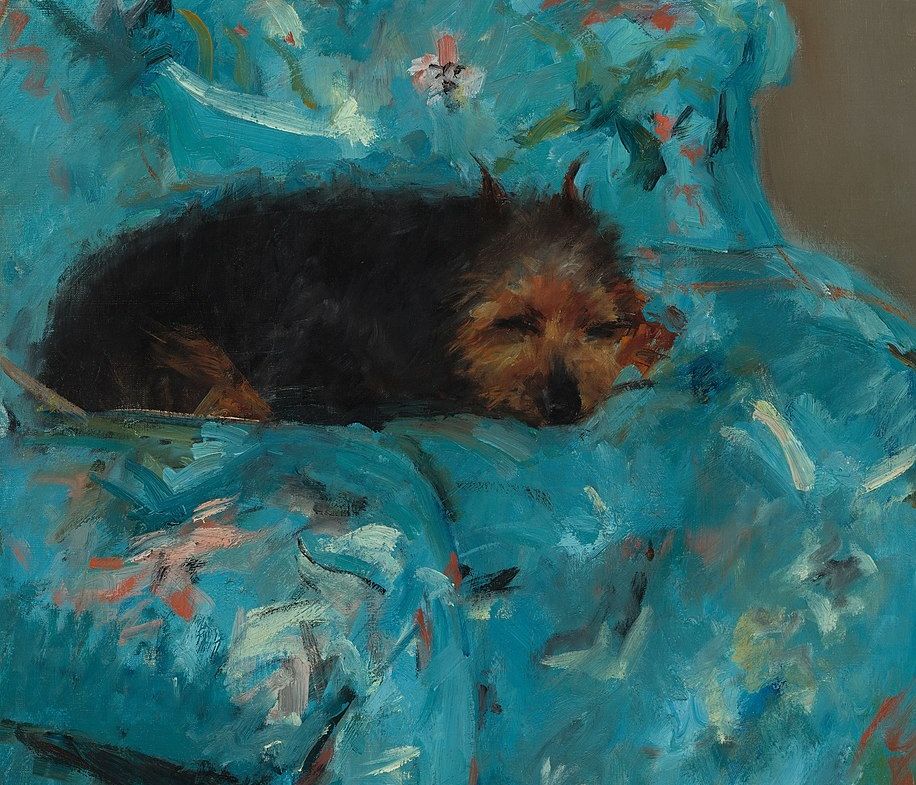
Light and atmosphere
Impressionism is deeply interested in what light does to a scene.
Morning light feels different from late afternoon. A cool interior feels different from a sun-washed balcony.
In pet artwork, that atmosphere helps determine the emotional character of the finished piece.
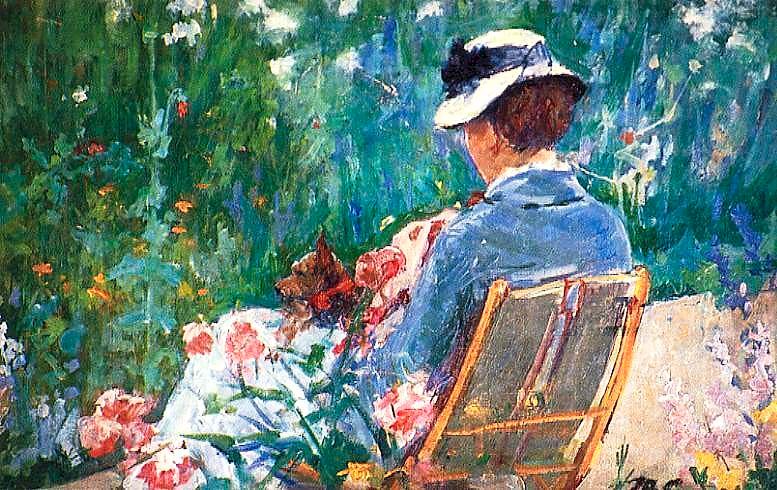
A sense of the moment
The pose doesn’t always need to feel formal.
A dog looking slightly away, a cat curled into a chair, or a pet caught in an ordinary resting position can feel more intimate than a perfectly centered studio portrait.
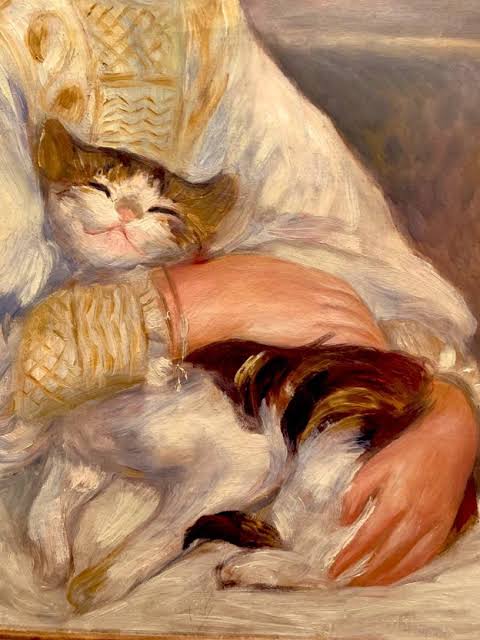
The goal isn’t simply: This is what my pet looks like. It’s also: This feels like them.
-
Why the Scene Matters
A plain background makes the pet the subject. A thoughtfully composed scene can make the pet part of a story.
Imagine the same cat placed in three different settings: curled into a warm amber chair surrounded by books and plants, resting against cool blue-green patterns, or sitting near an open balcony washed in Mediterranean sunlight.
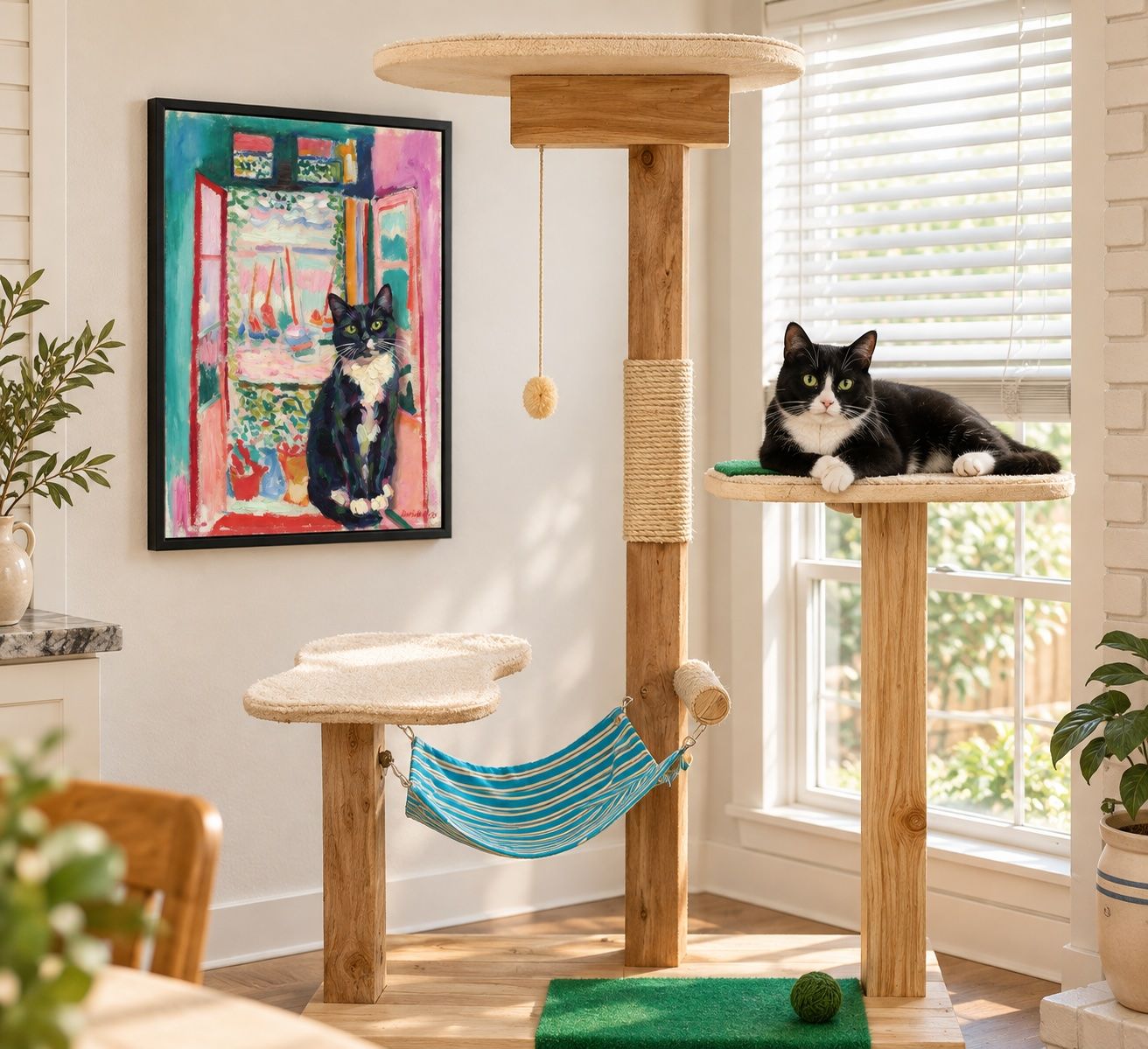
The cat hasn’t changed. But the artwork has. The scene changes the mood, palette, sense of place, and even the personality we perceive in the pet.
This is also what allows custom pet artwork to work as wall art for a home, rather than feeling like an enlarged photograph. The colors and composition have a relationship with the room around them.
-
Choosing an Art Style for Your Pet
The same pet can feel completely different depending on the world around them. A warm interior can make a portrait feel cozy and familiar; a garden can make it playful and light; deeper blues and greens can create something quieter and more contemplative.
At Pet Art, there are six art styles to explore. Each has its own palette, atmosphere, and sense of place. There isn’t one “right” style for a particular kind of pet. Think instead about their personality, the colors you’re drawn to, and where you imagine the finished artwork living in your home.
-
The Art of Doing Nothing
Cool blues, soft greens, layered patterns, and a wonderfully unhurried mood.
This is our quietest visual world, made for pets who have mastered the art of doing absolutely nothing. The rich blue-and-green palette gives the artwork a calm, collected feeling without losing the playfulness of the scene.
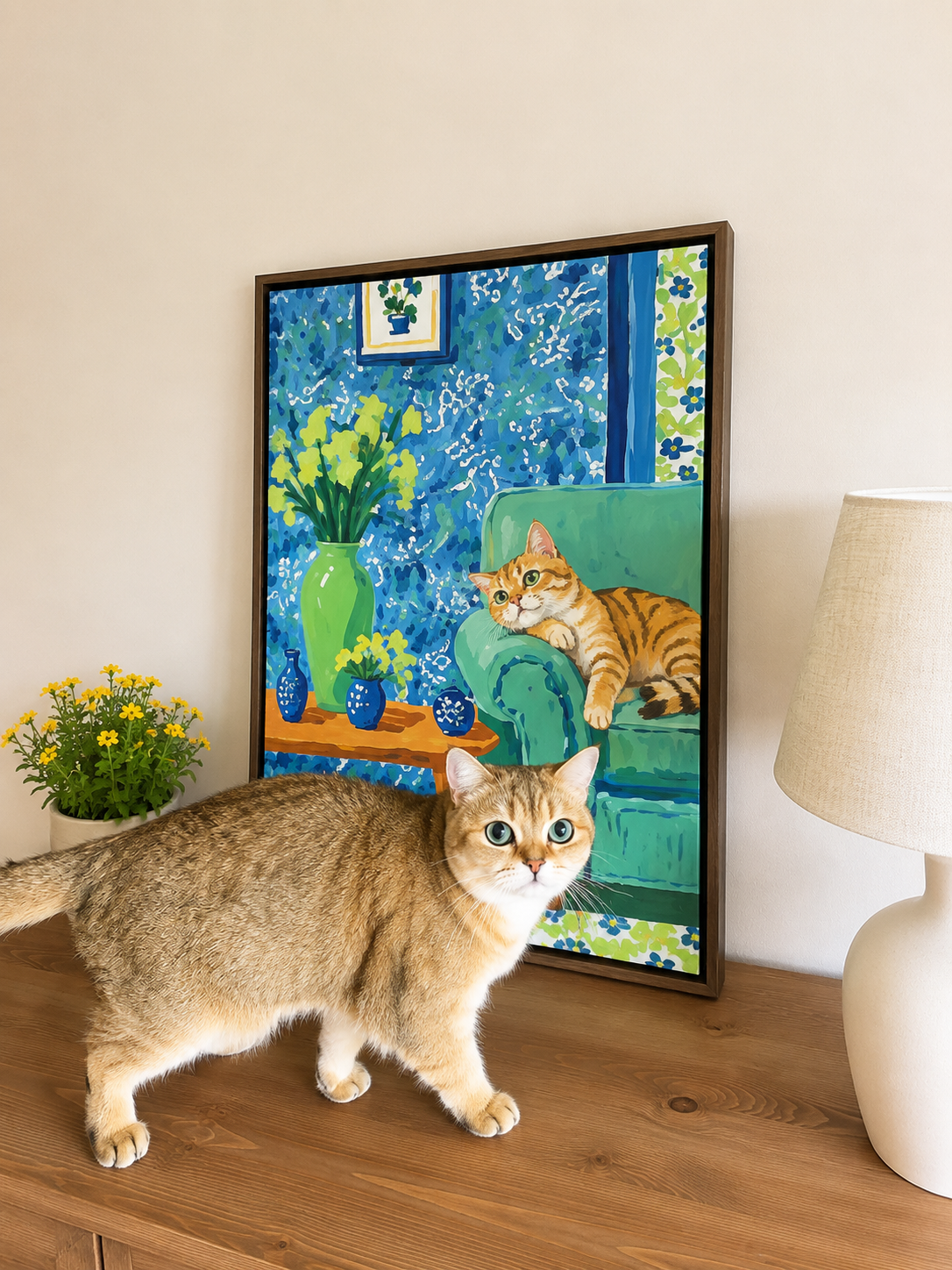
A good match for: relaxed personalities, cooler interiors, blue and green color palettes, and pets who somehow look regal even while napping.
Explore The Art of Doing Nothing
The Good Chair
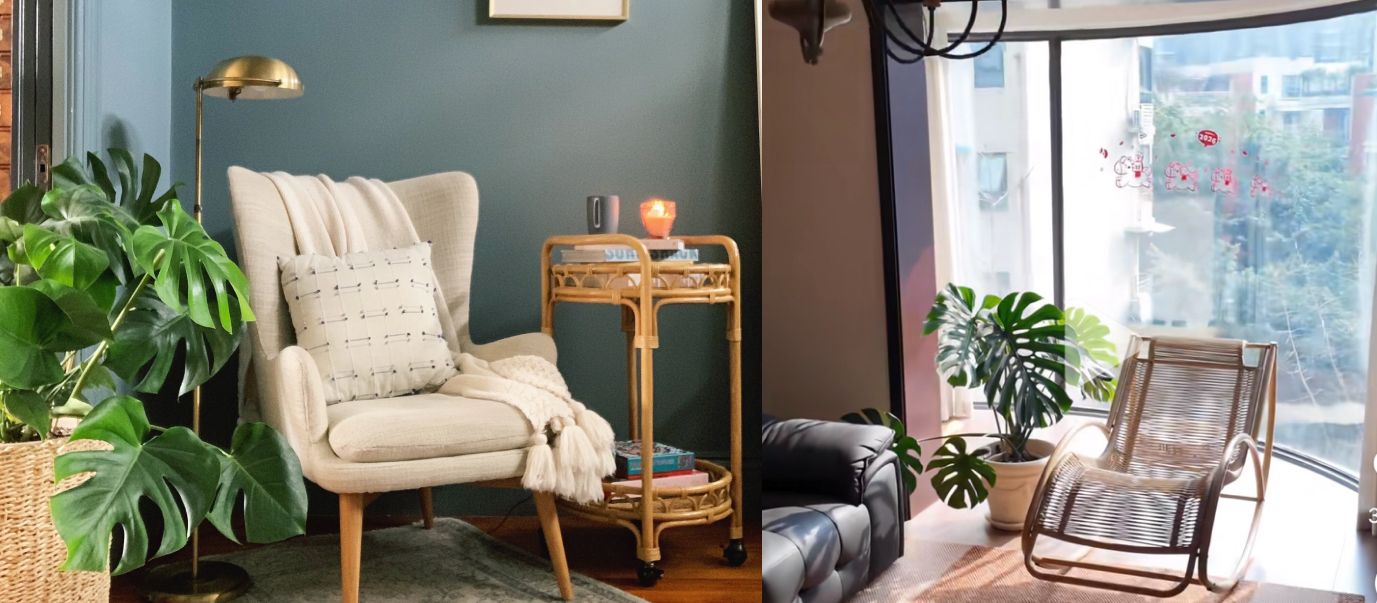
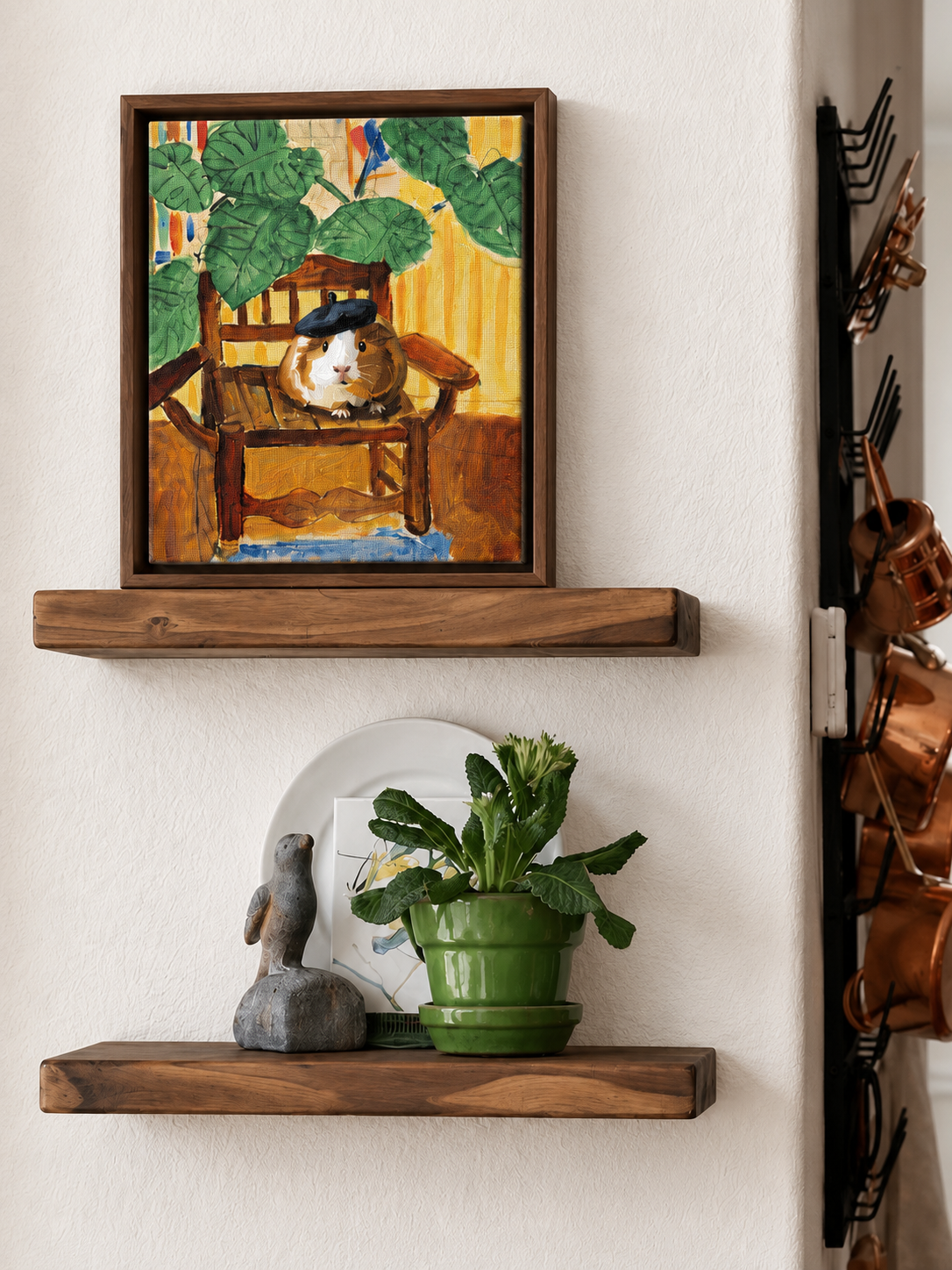
Every home has this corner, a comfy chair, warm golds, botanical greens, patterned walls, and amber afternoon light.
The Good Chair feels cozy and lived-in, like a room that has collected stories over time. It’s especially charming for the pet who always manages to find the softest chair or the warmest patch of sunlight.
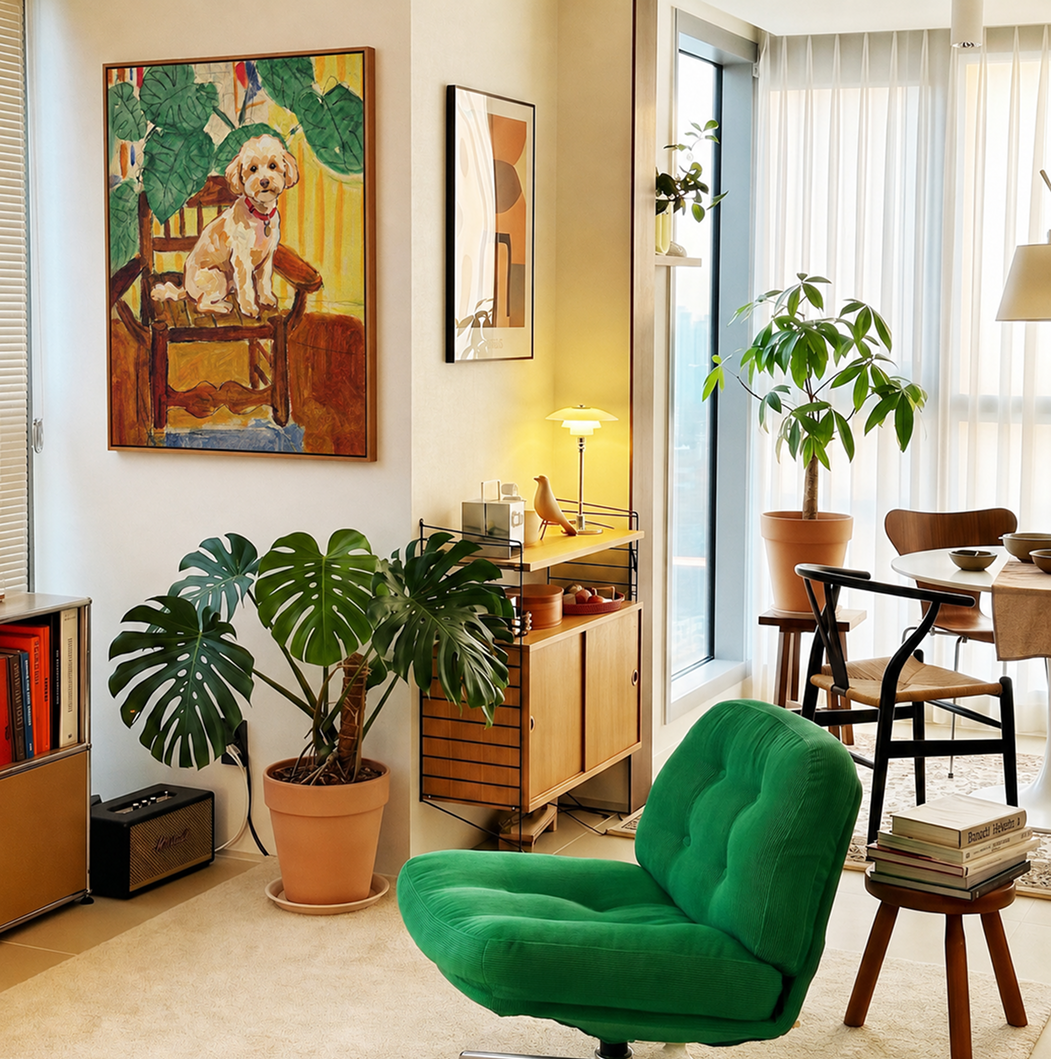
A good match for: warm interiors, earthy colors, relaxed pets, and anyone who likes layered, character-filled rooms.
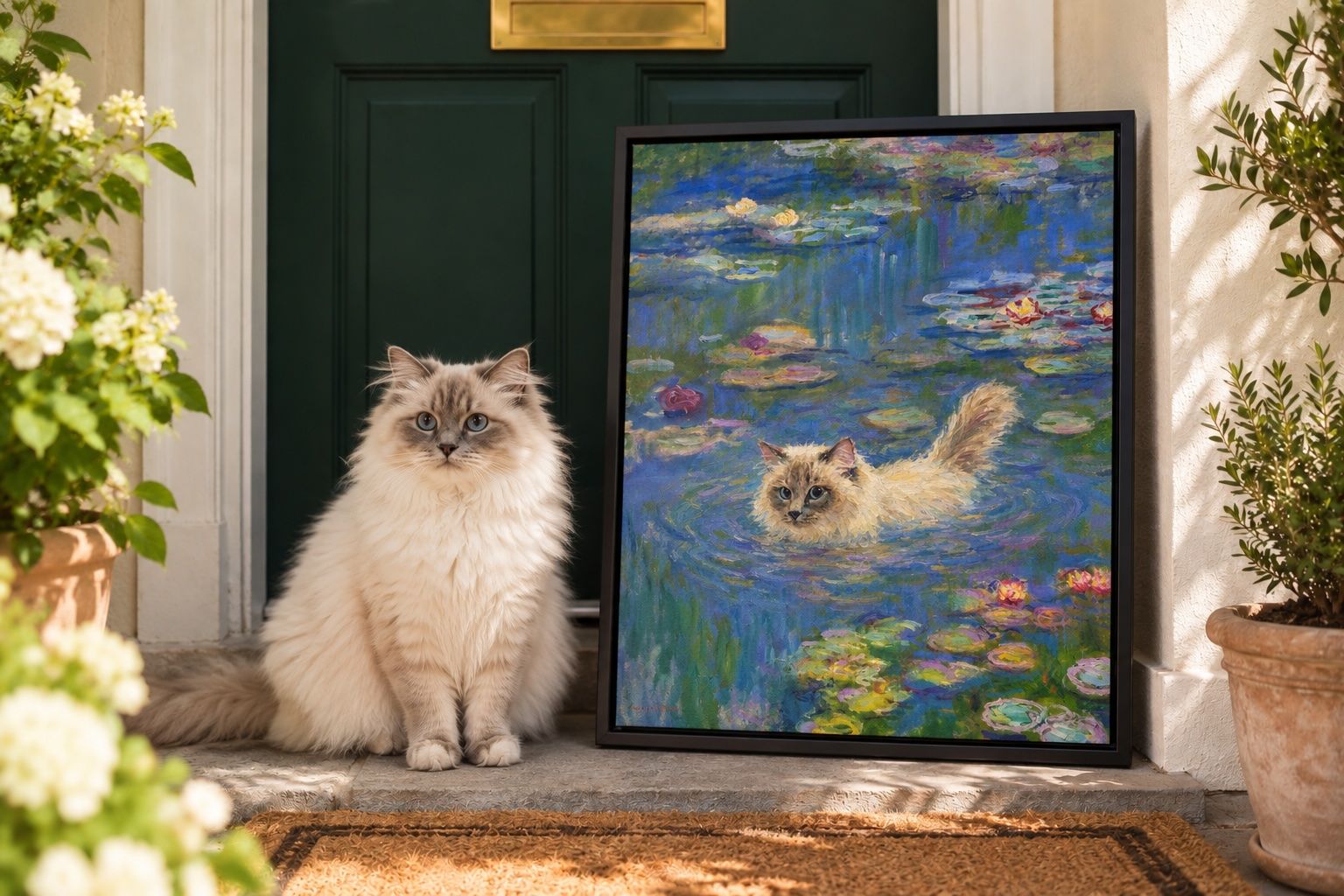
Water Lilies
Cool aquatic blues and greens surround your pet with a softer, dreamier sense of color.
Rather than placing your pet inside a traditional room, Water Lilies lets the composition feel more painterly and immersive. The result is peaceful, colorful, and a little unexpected - especially beautiful when the colors of your pet’s coat contrast with the surrounding blues and greens.
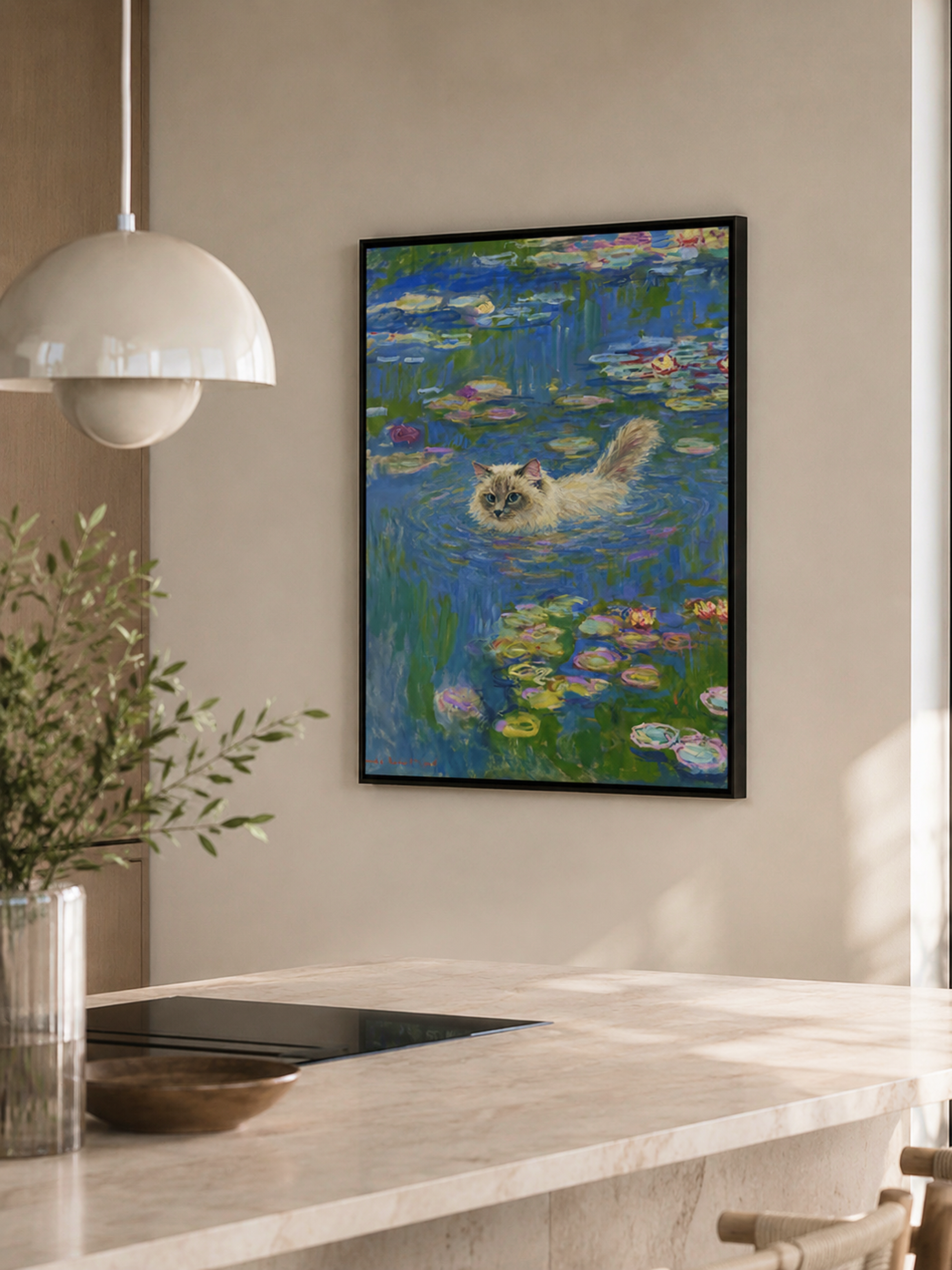
A good match for: serene spaces, cooler palettes, expressive coat colors, and anyone drawn to nature-inspired artwork.
Afternoon Garden
Greenery, flowers, dappled color, and the feeling of a slow afternoon outside.
Afternoon Garden brings more nature into the composition while keeping the pet at the heart of the scene. It feels fresh and cheerful without becoming overly bright or decorative.
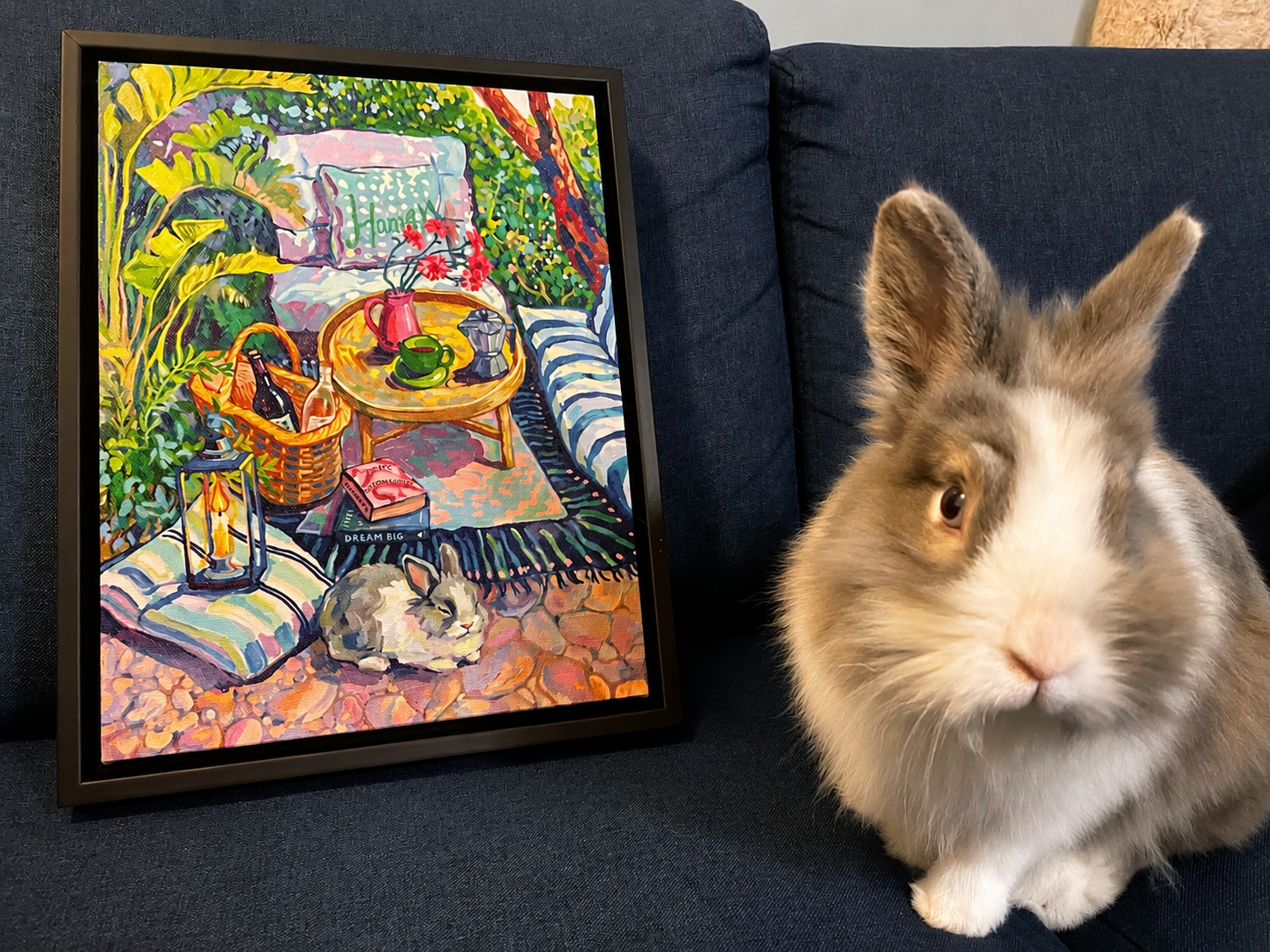
A good match for: playful or gentle personalities, botanical interiors, garden lovers, and rooms that could use a little more color.
Pink Sofa
A richer, bolder interior built around warm pinks, layered patterns, and a little more visual personality.
Pink Sofa is for the pet or the person who doesn’t mind being noticed. The stronger color gives the artwork a more playful presence on the wall while still feeling like part of a thoughtfully composed interior.
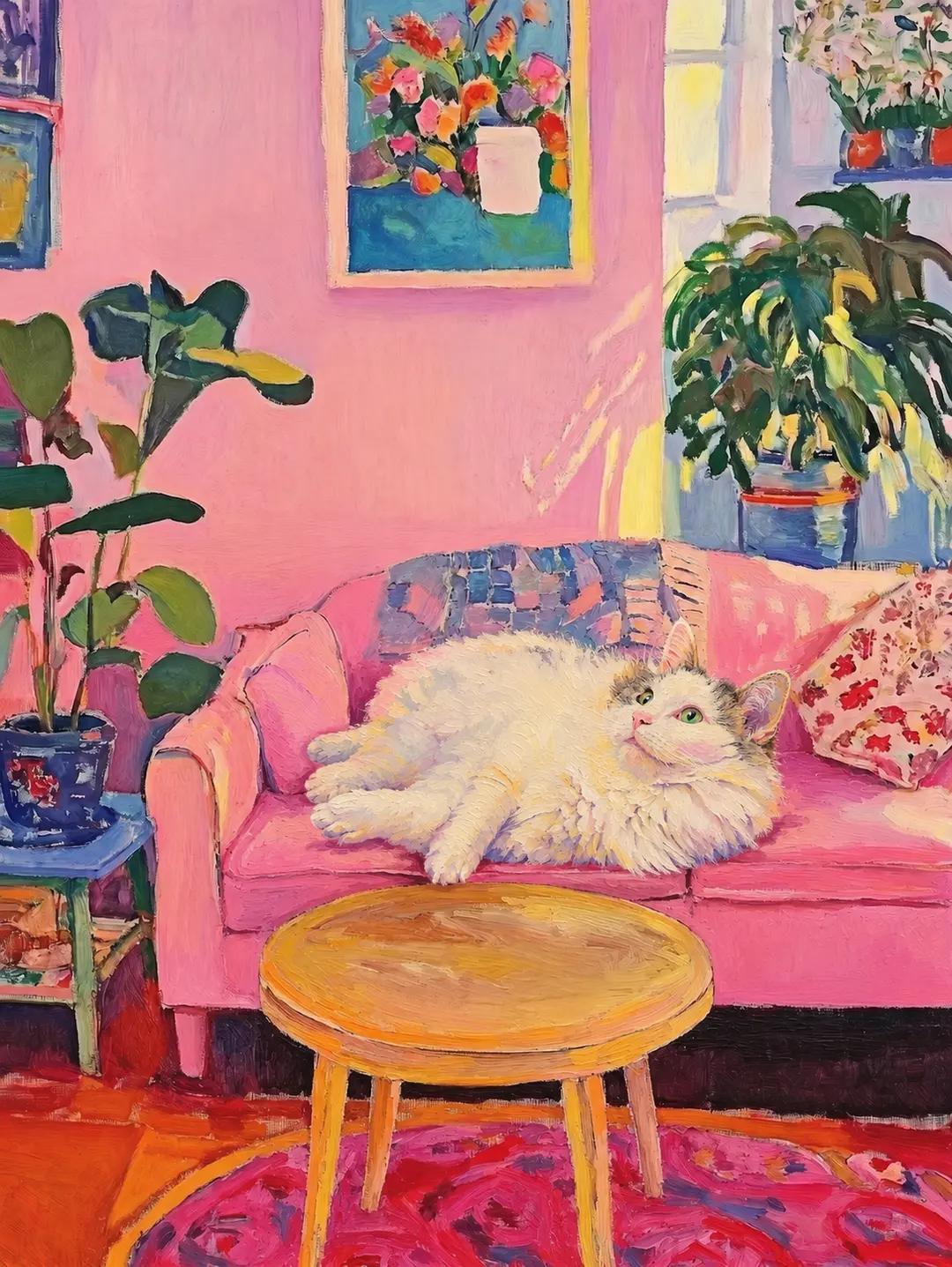
A good match for: expressive pets, colorful homes, eclectic interiors, and anyone who wants their pet artwork to become more of a statement piece.
Open Balcony
Mediterranean light, warm terracotta, trailing plants, and sun-washed surfaces.
Open Balcony has the feeling of a long summer afternoon: warm, open, and just a little dreamy. Compared with the more intimate interior scenes, this one gives your pet a greater sense of air and space.
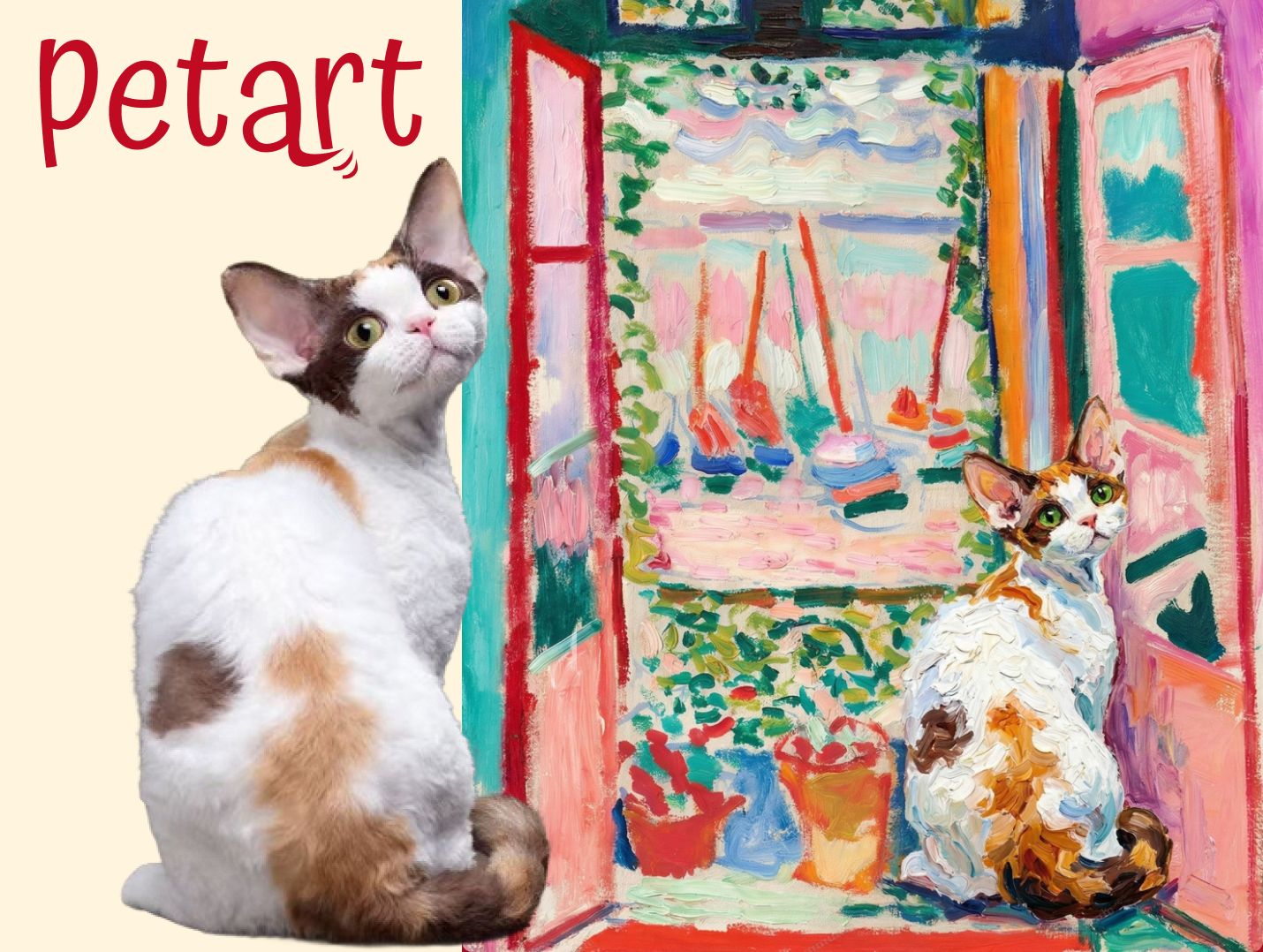
A good match for: lively personalities, warm interiors, travel lovers, botanical spaces, and anyone drawn to sun-soaked color.
-
From Pet Photo to Finished Artwork
Every piece starts with something you probably already have: a favorite photo of your pet.
You don’t need professional photography. A clear phone photo can work beautifully as long as your pet’s face, markings, coat color, and expression are easy to see. Soft natural light is especially helpful because it preserves the little details that make your pet recognizable.
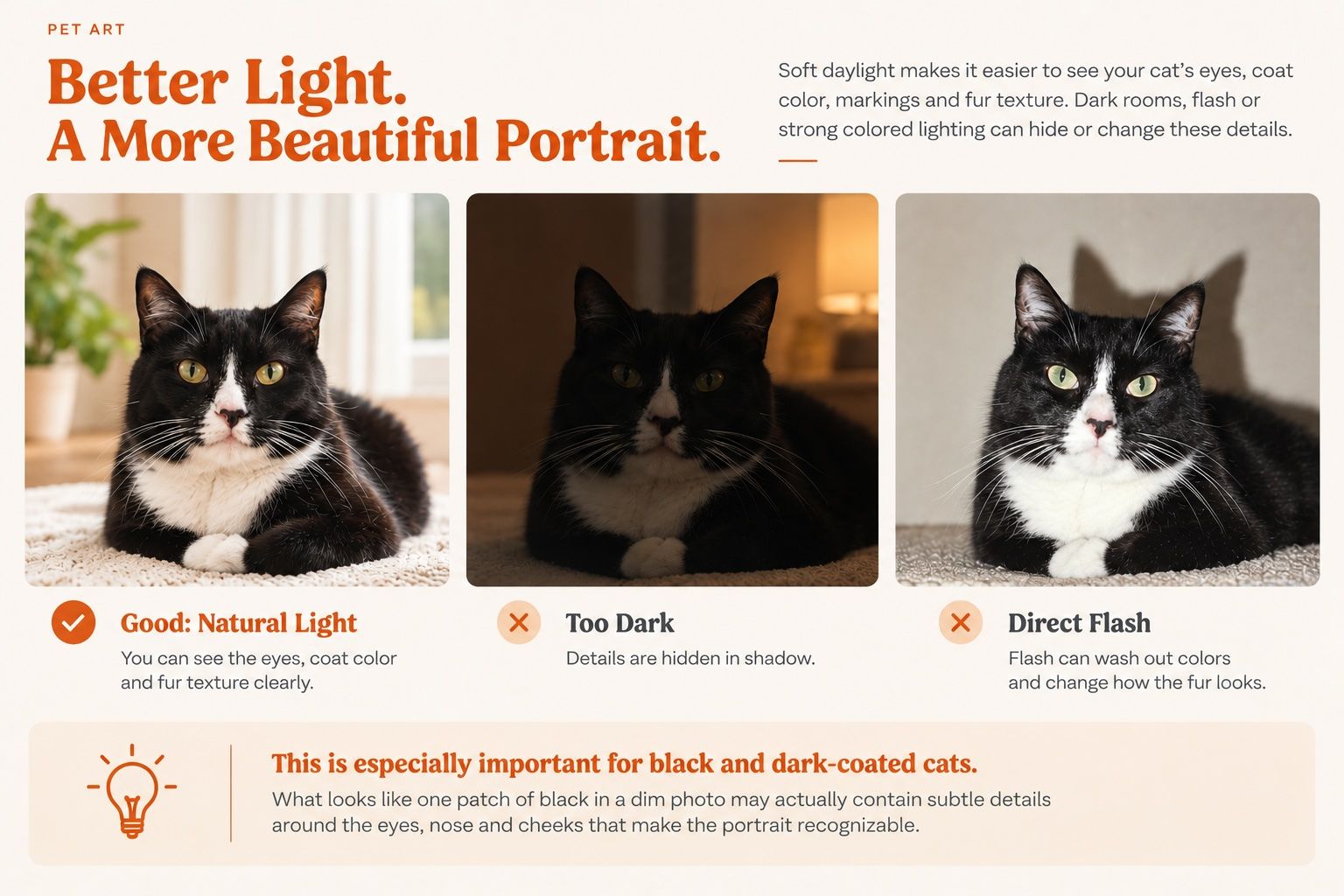
From there, your pet becomes part of the art style you choose. The goal isn’t simply to place a cutout of your pet onto a painted background. Pose, scale, color, light, and composition all work together to make the pet feel like they belong in the scene.
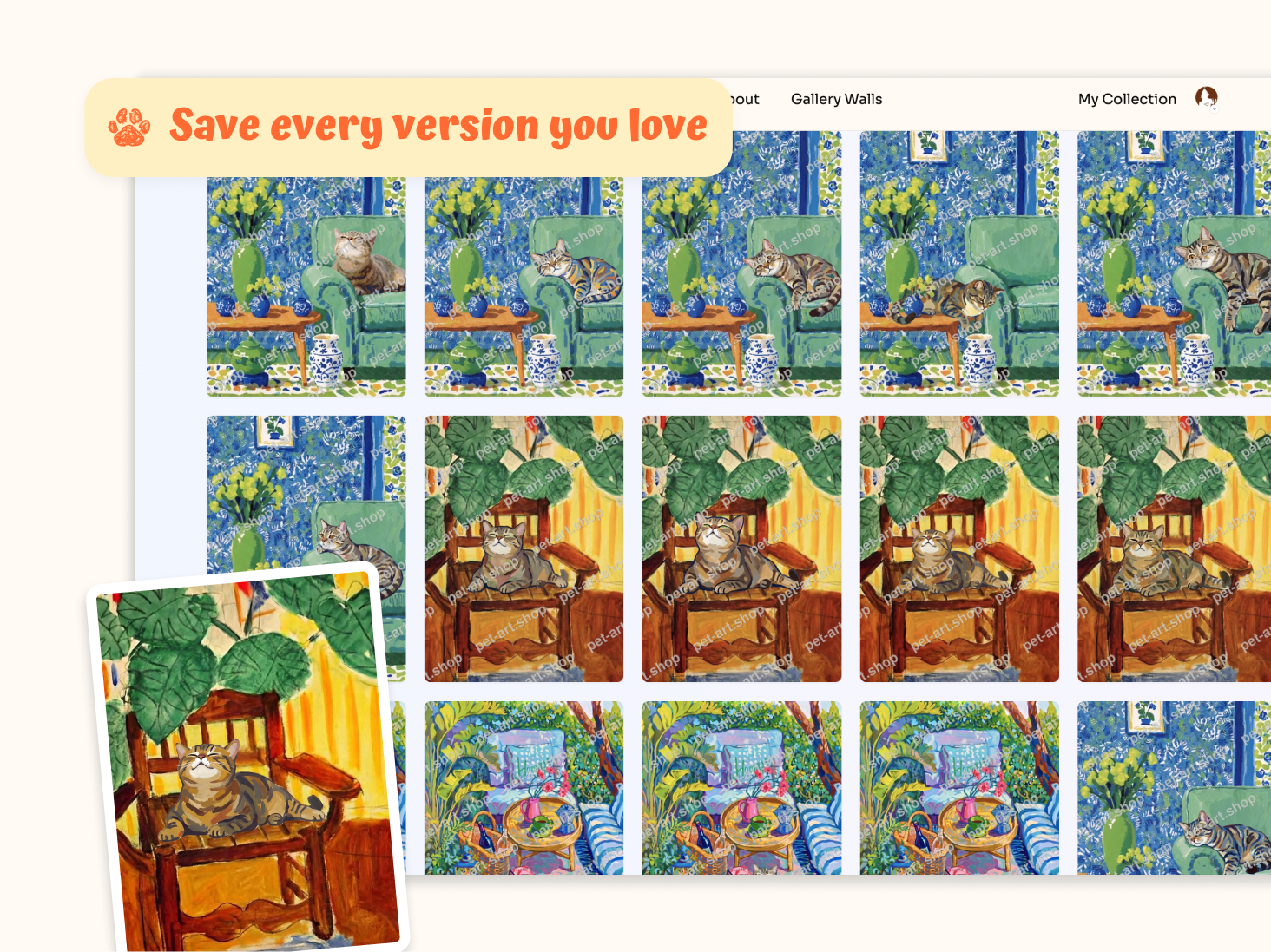
At Pet Art, you can explore different interpretations, save the ones you love, and choose your favorite before ordering the finished piece.
Starting with a cat? Read our guide to choosing the best photo for a custom cat portrait
-
From Digital Artwork to Textured Canvas
The image on screen is only one part of the finished artwork.
Pet Art pieces are printed on textured cotton-blend canvas, giving areas of color and brushwork a more tactile surface than a smooth photographic print. From across the room, you see the composition. Move closer, and the texture becomes part of the experience.
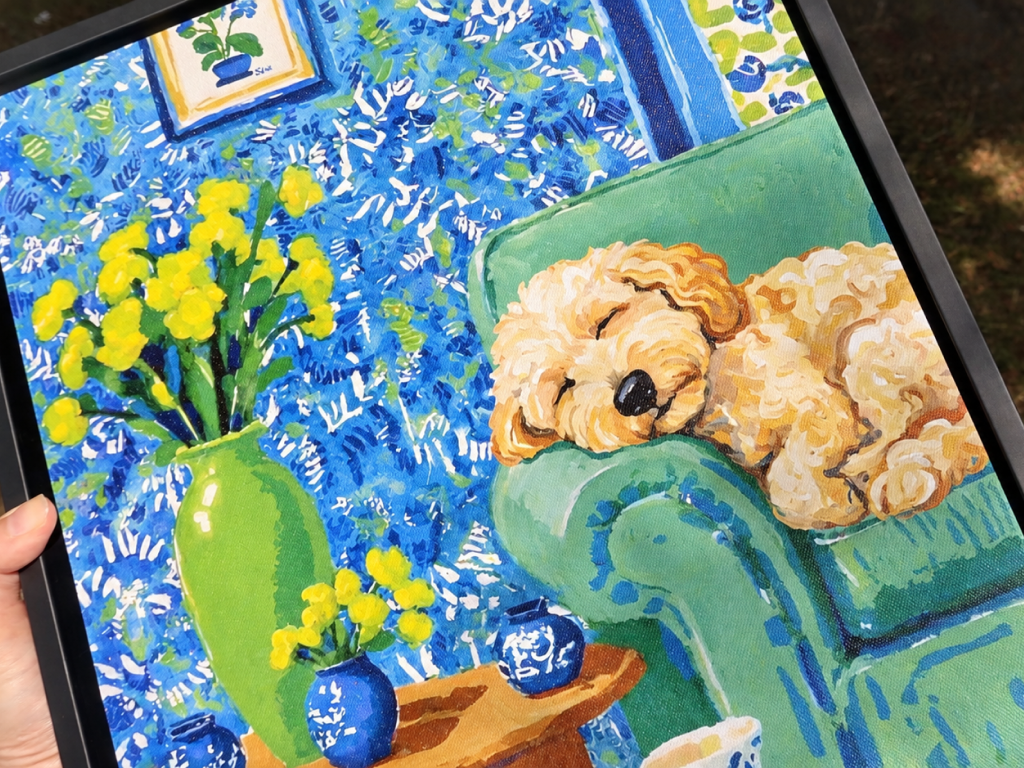
That’s one reason we chose canvas in the first place: we wanted the finished piece to feel less like an image that happens to feature your pet and more like an object that belongs on the wall.
Finished with a Floating Frame
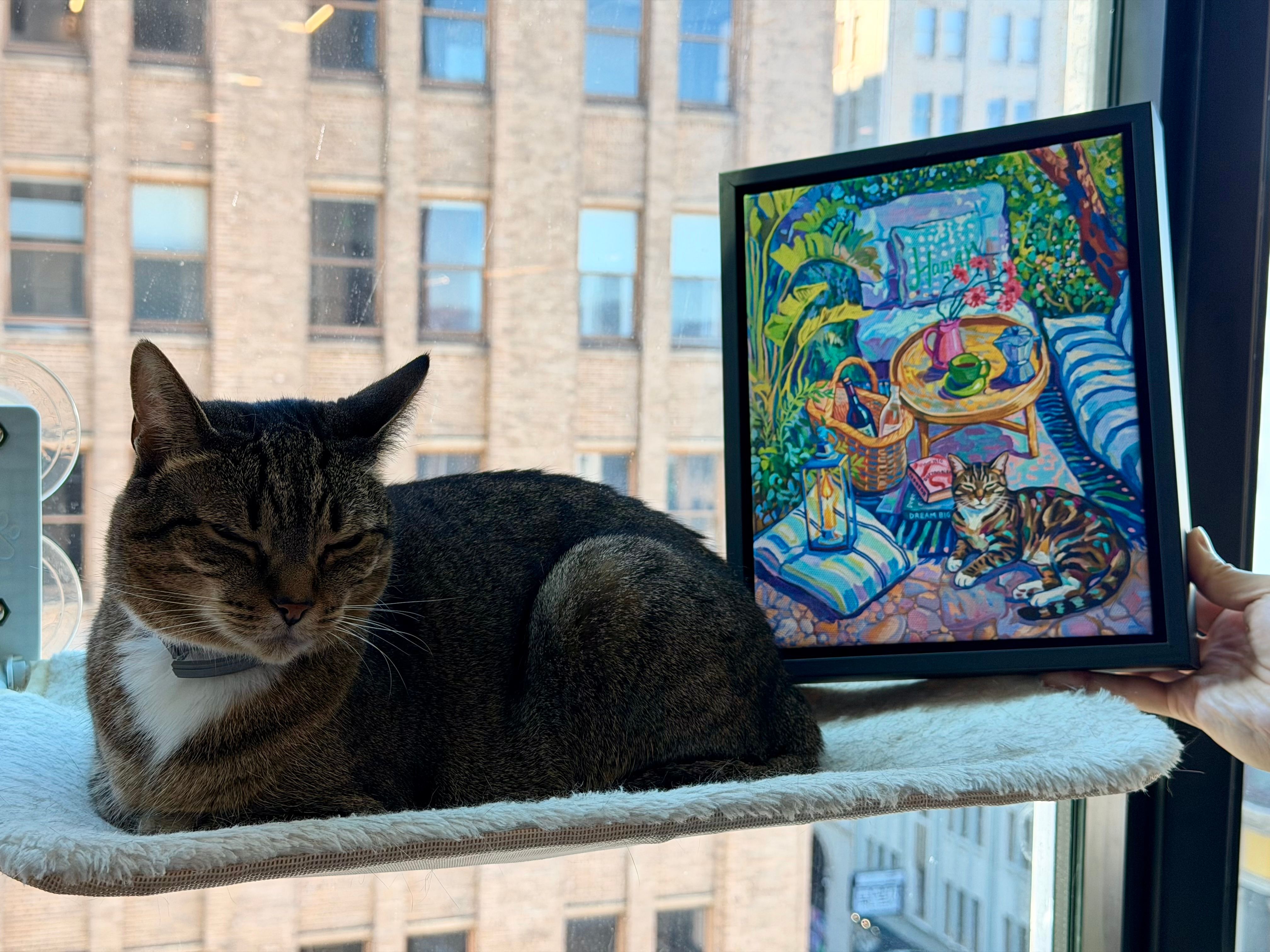
Each canvas is finished in a solid pine wood floating frame. A small gap between the canvas and outer frame creates a subtle shadow around the artwork, allowing the image to feel visually separate from the frame rather than sitting underneath it.
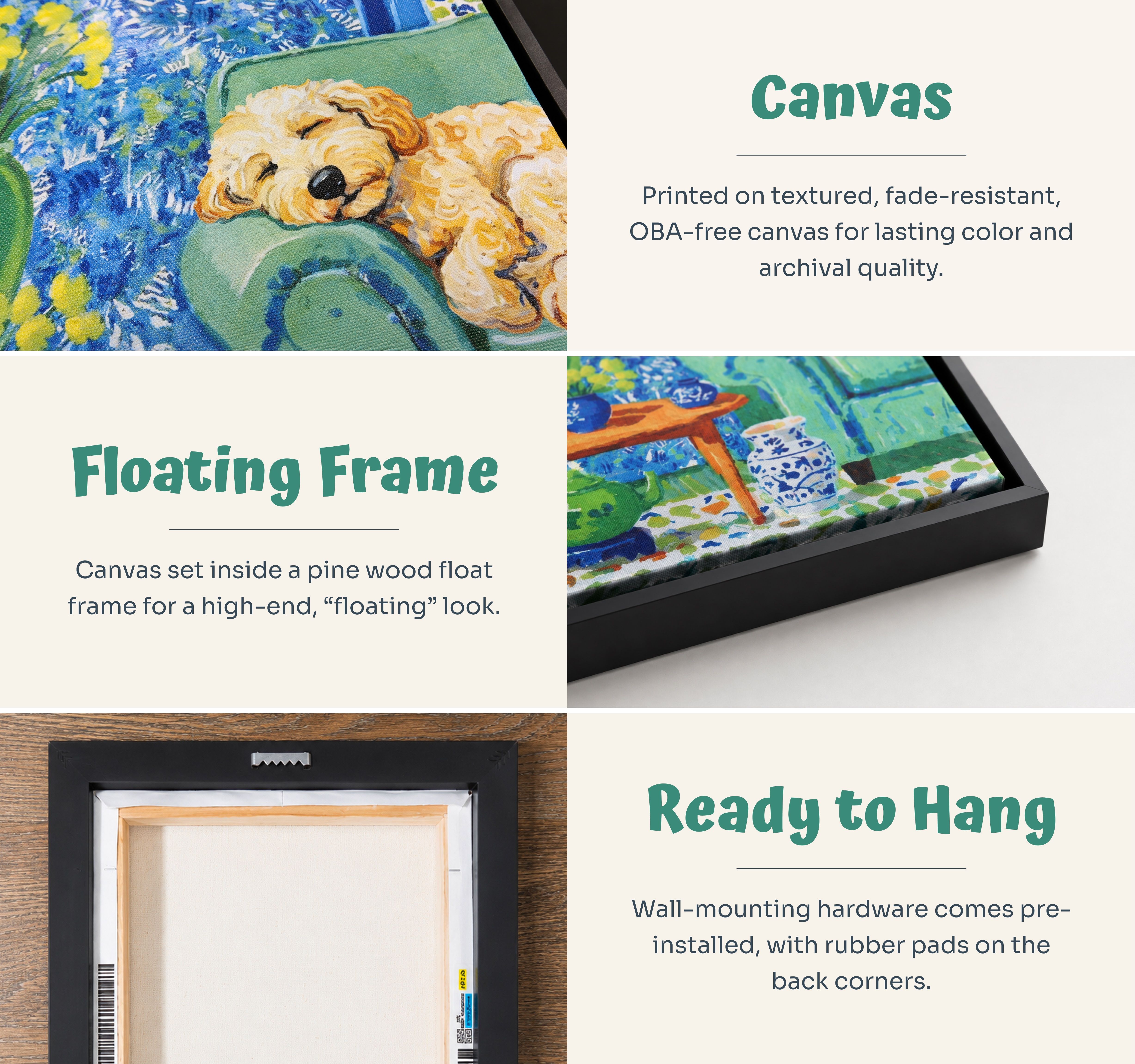
It’s a small detail, but one that helps the finished piece read as artwork rather than simply a framed pet photo.
-
Displaying Pet Artwork at Home
Because your pet is part of a larger composition, you can approach the finished piece much like any other artwork in your home.
Start with color. A room with warm wood, cream, rust, or olive tones may pair naturally with golden light and botanical greens. Cooler spaces can work beautifully with blues, soft greens, and quieter palettes.
Then think about scale and placement.
A smaller canvas can become part of a gallery wall or sit above a side table. A larger piece can anchor the space above a sofa, console, bed, or dining area.
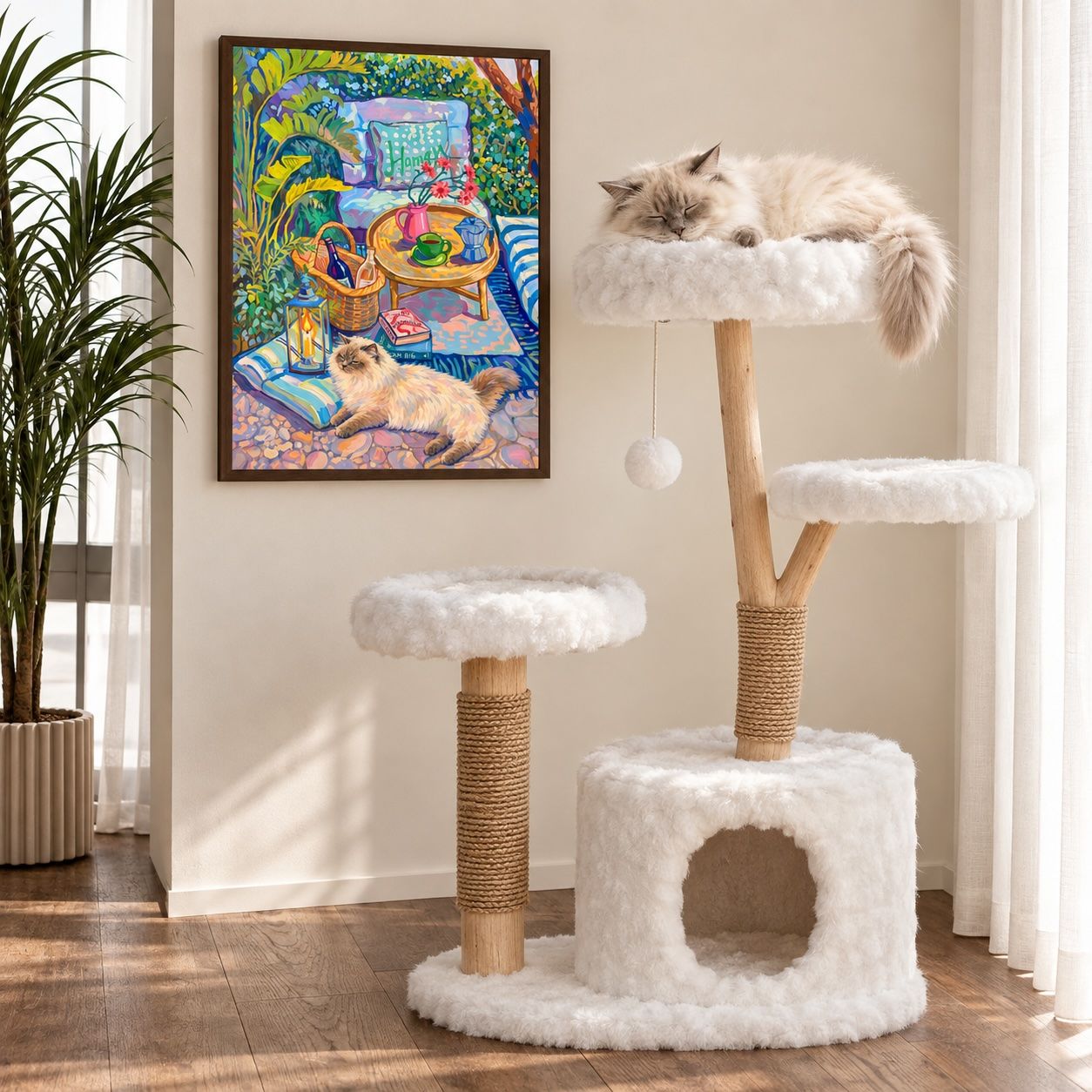
And your pet artwork doesn’t need to live on a “pet wall.” Try placing it alongside landscapes, photography, abstract art, vintage pieces, or other things you’ve collected over time.
The goal is for your pet to feel like part of your home, because they already are.
Read our guide to styling your living room with pet art
-
Made for the Moments That Matter Most
The Impressionists weren’t painting only kings, monuments, or battles. They painted afternoons: a boat on the river, a child in the garden, two people at the theater, sunlight moving across water.
They chose ordinary life and made it luminous. That instinct hasn’t aged.
A pet asleep in a patch of sun, a dog mid-leap, a cat arranged across a chair as if they own it, these are exactly the kinds of moments Impressionism was built to hold.
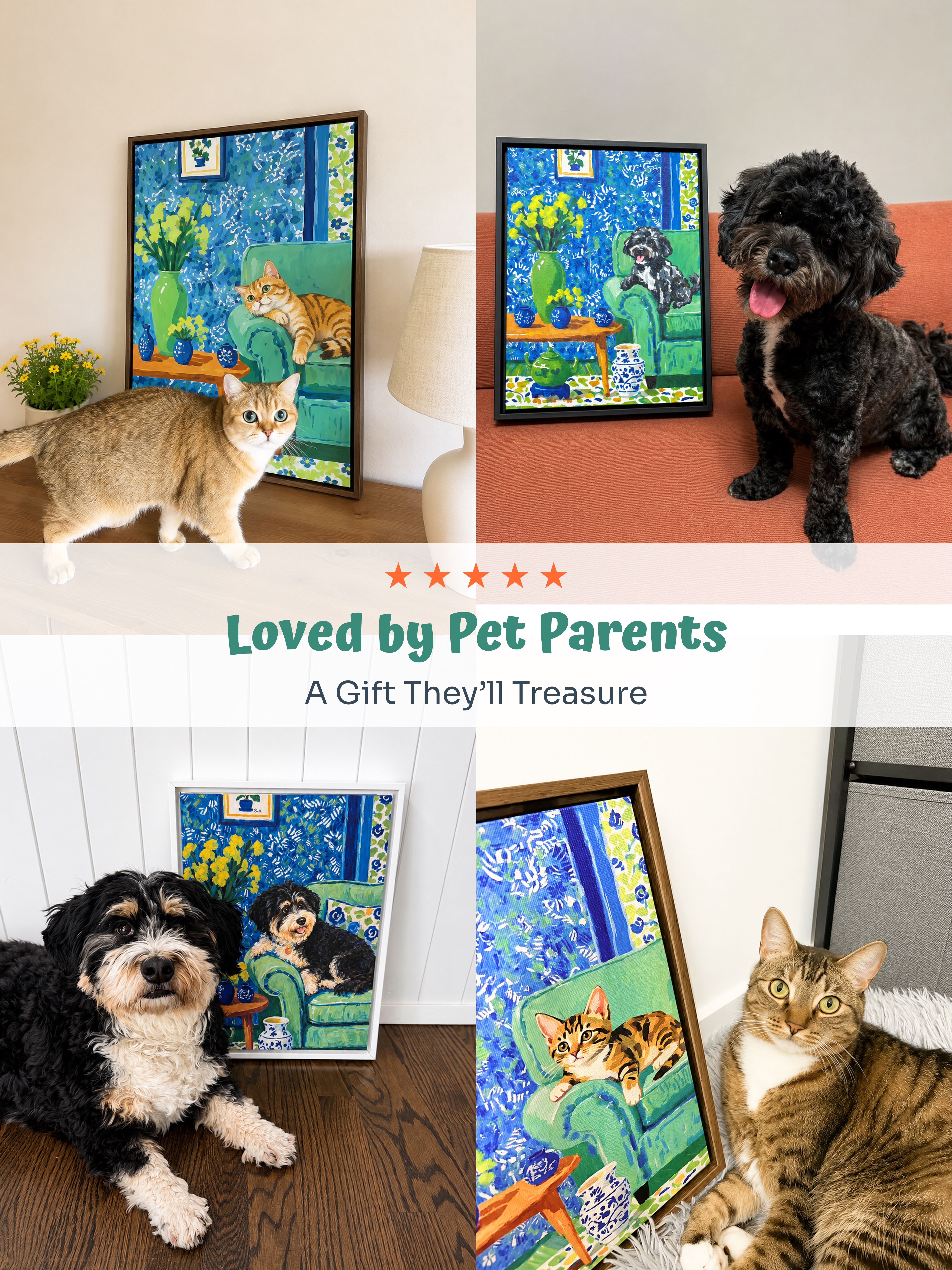
Fleeting, domestic, full of feeling. The kind of thing that’s easy to overlook precisely because you see it every day. Until eventually, you realize those ordinary moments were the important ones.
Ready to See Your Pet as Art?
Choose a style, upload your favorite photo, and explore what your pet looks like inside a whole new world.